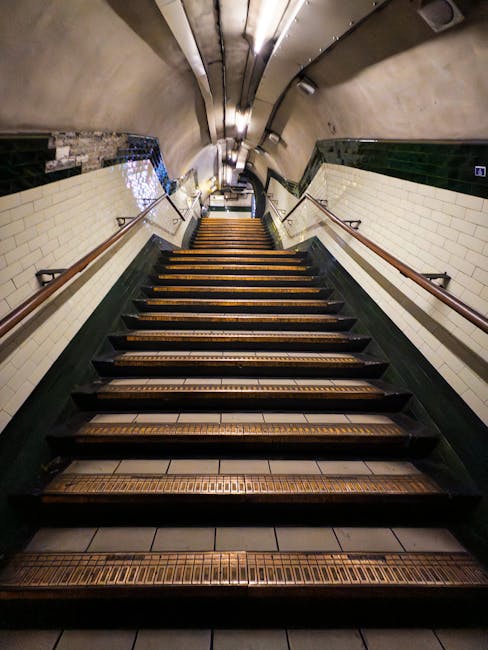
Narrow staircase moves in London flats: Practical fixes
Moving out of a London flat can feel straightforward right up until you reach the staircase. Then reality arrives. Tight turns, low ceilings, awkward landings, thin bannisters, and that one heavy wardrobe that looked manageable in the bedroom somehow becomes a small nightmare halfway down the stairs. If you are dealing with narrow staircase moves in London flats, practical fixes matter more than brute strength. The good news is that most access problems can be handled with better planning, the right packing approach, and a few simple space-saving adjustments.
This guide walks through what actually helps, what tends to go wrong, and how to make a cramped stairwell less stressful on moving day. You will find practical fixes for stairs in period conversions, mansion blocks, ex-local authority flats, and newer developments where the lift is not quite as helpful as the brochure suggested. Let's face it, London flats have personality. Sometimes a bit too much.
Table of Contents
- Why narrow staircase moves in London flats matter
- How narrow staircase moving works in practice
- Key benefits and practical advantages
- Who this is for and when it makes sense
- Step-by-step guidance
- Expert tips for better results
- Common mistakes to avoid
- Tools, resources and recommendations
- Law, compliance, standards, and best practice
- Options, methods, or comparison table
- Case study or real-world example
- Practical checklist
- Conclusion
- Frequently asked questions
Why narrow staircase moves in London flats matter
Narrow staircases are not just inconvenient. They change the whole moving process. A sofa that would normally be fine in a house move can become a genuine pinch point in a flat with a sharp turn on the first flight. A mattress might need to be bent or rotated. A wardrobe may need doors removed before it even reaches the hallway. And if you are working in a building with shared access, you also have to think about neighbours, stair protection, and the time window you have to work within.
In London, many flats were never designed around modern furniture sizes. That is the basic issue. Beds are larger. Fridges are bulkier. Chest of drawers are deeper. At the same time, stairwells in older buildings can be steep and tight, and the corners often feel smaller than they look on paper. The result? Delays, extra handling, and avoidable damage if the move is not planned carefully.
It also matters because a difficult stair move is not only about the item itself. It affects the whole day. If one large piece gets stuck, the schedule slips. If someone strains themselves trying to force it, that creates a safety problem. If walls or banisters get scratched, you may end up dealing with repair costs. In short, this is one of those move-day details that deserves more respect than it usually gets.
Practical takeaway: narrow staircases rarely need a dramatic solution. They usually need better sequencing, better packing, and a realistic plan for what will and will not fit.
How narrow staircase moves in London flats work in practice
At the most basic level, a narrow staircase move is about controlling shape, size, and movement. The item has to travel from one room to another through a space that may be too tight for a straight carry. That means the mover has to manage angle, height, width, and grip at the same time. Easy in theory. Slightly less easy when the landing is only just big enough for two people to stand on without breathing in.
The process normally starts with measuring. Not perfectly, not with obsessive precision, but accurately enough to know what is likely to pass through the stairwell and what may need partial dismantling. Then comes preparation: removing loose parts, wrapping vulnerable edges, and protecting the route. If the item is large but light, a skilled carry might be enough. If it is heavy, rigid, or awkwardly shaped, the practical fix may be to break it down before the move.
Sometimes the issue is not the item at all. It is the route. A hanging light, a stair runner, a low ceiling over the turn, or a doorway opening into the stairs can all be the real bottleneck. In those cases, a good mover does not just push harder. They change the order of the move, alter the angle, or use a different piece of equipment. That flexibility is what separates a calm move from a chaotic one.
For people moving from or into a flat, this often pairs with other moving tasks too, such as packing fragile items securely through packing and unpacking services or choosing the right size vehicle from options like man and van or a larger removals service. The staircase is one challenge. The whole logistics picture is the other.
Key benefits and practical advantages
Doing narrow staircase moves properly saves more than time. It reduces friction across the whole move. To be fair, nobody wants to start a new chapter in a new flat by scuffing both walls and temper. A well-handled stair move brings a few clear benefits.
- Less damage to property - careful handling protects walls, corners, bannisters, and flooring.
- Lower risk of injury - safer planning means fewer awkward lifts and fewer rushed manoeuvres.
- Faster load-out and load-in - once the route is understood, the day runs more smoothly.
- Better protection for furniture - dismantling and wrapping reduce chips, tears, and crushing.
- Less stress for everyone involved - and honestly, that matters more than people admit.
There is also a practical financial side. A planned move can help avoid call-backs, emergency adjustments, and unnecessary replacement of damaged items. It can also reduce the likelihood of needing a second vehicle trip because a piece did not fit as expected. If you are hiring professionals, a better brief at the start often leads to a better quote and a better result.
Another advantage is neighbour relations. In shared buildings, a smooth move is simply less disruptive. Fewer thumps on the stairs, less blocked access, less time with a sofa balanced in the communal hallway while everyone waits. That kind of thing gets noticed.
Who this is for and when it makes sense
This kind of planning makes sense for anyone moving in or out of a London flat with limited stair access. That includes tenants in older conversions, owners in compact apartment blocks, and people moving items within the same building. It is especially relevant if your flat has one of these features:
- steep or winding stairs
- tight landings
- low ceilings at the turn
- small front doors opening directly onto stairs
- shared hallways with limited room to stage furniture
- older timber bannisters or delicate wall finishes
- no lift, or a lift that is too small for larger items
It also makes sense if you are moving any of the usual troublemakers: sofas, mattresses, wardrobes, washing machines, desks, glass tables, and bed bases. You know the kind. Items that seem innocent on the bedroom floor but turn into architectural problems near the staircase.
If you are moving a one-bedroom flat with minimal furniture, you may only need simple packing changes and careful route planning. If you have larger furniture or awkward items, a more structured approach is sensible. That is where a professional moving team, or at least a well-organised plan, starts to pay off.
For local moves within the capital, people often also compare nearby area options such as London coverage or specific neighbourhood pages like house mover Kensington when checking availability in a particular district. The neighbourhood matters because building layouts vary more than people expect, even within a few streets.
Step-by-step guidance
If you want a practical fix rather than vague advice, this is the part to focus on. The steps below are based on the reality of moving through tight staircases, not an idealised version of it.
- Measure the route properly. Measure the narrowest point on the staircase, the tightest turn, the landing, door widths, and ceiling height at the turn. A quick tape measure check can prevent a lot of guesswork.
- Identify the awkward pieces first. Make a list of anything bulky, rigid, or fragile. Sofas, wardrobes, desks, mattresses, mirrors, and appliances deserve special attention.
- Decide what should be dismantled. Remove table legs, wardrobe doors, bed slats, headboards, and any removable shelves. Sometimes this is the fix, full stop.
- Protect the route. Use floor covers, door protectors, and padded wraps on corners that are likely to get knocked. Communal hallways can scratch surprisingly easily.
- Pack for shape, not just safety. A box that is overfilled becomes harder to turn. A soft bag that is too loose becomes awkward to carry. Shape matters in narrow stairs.
- Load the awkward items first or last depending on layout. There is no single rule. The best order depends on where the furniture sits in the flat and how the stairwell bends.
- Use a two-person or three-person carry for bigger pieces. More hands can help, but too many people on a small stairwell can create confusion. There is a balance.
- Pause at the landing before forcing the turn. Most failed stair moves happen because someone tries to rush the angle. Stop, reset, rotate, breathe.
- Keep communication simple. One person should call the move. Short instructions work better than everyone talking at once. "Lift." "Stop." "Turn." Enough said.
- Check the exit plan before the item leaves the flat. If it cannot make the turn, you want to know that before it is suspended halfway in the stairwell like a very expensive puzzle.
There is no magic in this. Just method. And method wins more often than muscle.
If you are arranging a full property move, it helps to speak to a provider that understands both transport and access issues, not just vehicle size. Services such as removal services and home moves are often better suited to stair-heavy jobs than a basic transport-only approach.
Expert tips for better results
Here is where the smaller practical details make a noticeable difference. These are the kinds of things experienced movers think about automatically after a few hundred staircases and a couple of bruised knuckles.
Tip 1: remove more than you think you need to. A wardrobe door, bed frame bracket, or sofa foot can be the difference between a clean turn and a stuck item. If it comes off safely, take it off.
Tip 2: use blankets and corner wraps generously. In a tight stairwell, friction is everywhere. A padded blanket is often the cheapest insurance against chipped paint and dented woodwork.
Tip 3: pre-plan the awkward pivot. The pivot point is usually the landing or the first bend. Visualise how the item will rotate before the carry begins. A little mental rehearsal saves real-world wobbling.
Tip 4: protect the person carrying, not just the item. Good gloves, sensible footwear, and a clear path reduce slips and dropped loads. It sounds obvious. Still gets skipped.
Tip 5: keep the stairwell clear of clutter. Shoes, plant pots, recycling bags, and umbrella stands all become hazards in a hurry. Move them before the carrying starts.
Tip 6: talk to neighbours early if access is shared. A polite heads-up can stop awkward corridor blockages and avoid a grumble at the worst possible moment, usually right when you are sweating and holding a mattress sideways.
Tip 7: check whether a small van is enough. If the item count is low but the stairs are punishing, a smaller vehicle combined with multiple careful trips may be more practical than trying to pack everything into one impossible load.
Tip 8: use professional help for the really awkward items. A washing machine or large wardrobe in a tight London staircase is not the place to be brave for the sake of it. There is no medal for scratched shins.
Common mistakes to avoid
The biggest moving mistakes usually happen because people assume a narrow staircase is just a minor inconvenience. It is not. It changes the job. Here are the errors that cause the most trouble.
- Failing to measure the narrowest point and relying on guesswork instead.
- Leaving bulky items fully assembled when they clearly need to be taken apart.
- Forcing large furniture around a turn instead of resetting and changing the angle.
- Underestimating stairwell protection and damaging walls, railings, or paintwork.
- Using too many people without coordination, which can make the carry less controlled.
- Packing boxes too heavy, making them awkward to lift on stairs.
- Ignoring the building layout and discovering too late that a lift, landing, or doorway is the real bottleneck.
One common London-specific mistake is not accounting for building rules. Some flats, especially in managed blocks, have restrictions on moving times or require lift padding and advance notice. It is easy to forget when you are focused on the furniture itself. But these little building rules can shape the whole day.
Another mistake? Thinking every mover will handle narrow stairs the same way. They will not. Some teams are brilliant with access challenges. Others are fine on open-plan house moves and less comfortable in tight Victorian staircases. Ask questions early. Save everyone the drama.
Tools, resources and recommendations
You do not need a truck full of specialist equipment to deal with a narrow staircase move, but the right few tools help a lot. This is more practical than fancy.
- Measuring tape - for checking doors, stair widths, landings, and high points.
- Furniture blankets and wrap - to protect items and building finishes.
- Ratchet straps or webbing straps - useful for securing awkward loads during carry or transit.
- Gloves with a decent grip - keep hold of items without making the carry clumsy.
- Door guards and corner protectors - especially useful in older properties with painted woodwork.
- Dismantling kit - screwdrivers, Allen keys, and labelled bags for fixings.
- Floor protection - runners, cardboard, or reusable covers for hallways and landings.
As for services, it is worth comparing what type of move support you actually need. A simple item transfer may suit man and van removals, while a full flat move may be better handled through a more complete house removal services option. If you are shifting just one or two heavy pieces, something like furniture pick up may be enough.
For people who want extra peace of mind, check whether the mover has a clear policy on handling, damage prevention, and transit protection. Pages such as insurance and safety and health and safety policy are useful because they show how the company thinks about risk, not just the price. That is usually a good sign.
Law, compliance, standards, and best practice
There is no single rulebook just for narrow staircase moves in London flats, but there are sensible best-practice expectations around safety, access, and property care. In a shared building, you should expect movers to work carefully and avoid blocking common areas longer than necessary. If the building has a management office, concierge, or move booking system, follow it. Annoying, maybe. Necessary, absolutely.
From a practical UK perspective, safe lifting techniques, suitable equipment, and proper risk awareness matter. If an item is too heavy or awkward to carry safely, it should be broken down or moved using an alternative method. That is not being cautious for the sake of it; it is basic good practice. The same applies to protecting communal areas, using enough people for a controlled lift, and not attempting a carry that exceeds the team's capability.
Where insurance is involved, check what is covered before moving day. This does not mean reading forty pages of small print while standing in a hallway, but it does mean knowing whether damage to walls, banisters, items, or shared access areas is addressed. If in doubt, ask. Better a slightly awkward question before the move than a messy one after.
For London flats in managed blocks, best practice often includes:
- booked moving slots
- lift protection if available
- advance notice to neighbours or management
- protection for floors and corners
- clear access from flat to vehicle
And yes, if the stairwell looks too tight for the furniture, it probably is. People sometimes hope the angle will magically work once the item is "just tried." That is a very expensive form of optimism.
Options, methods, or comparison table
There is more than one way to manage a tight stair move. The best option depends on the item, the layout, and how much dismantling you are willing to do.
| Method | Best for | Pros | Limitations |
|---|---|---|---|
| Carry as-is | Smaller furniture, light boxes, flexible items | Fast, simple, fewer tools needed | Not suitable for rigid or oversized pieces |
| Partial dismantling | Wardrobes, beds, desks, tables | Often the best balance of effort and results | Requires tools, time, and care with fittings |
| Full dismantling | Large or awkward furniture in tight stairwells | Maximises chance of a safe fit | More time, more reassembly later |
| Professional handling | Heavy, valuable, or difficult items | Experienced coordination and better risk control | Usually costs more than DIY |
| Special item move only | Single appliance or one large piece | Focused support, efficient for one-off items | May not suit full flat moves |
In many London flats, the smartest answer is not one method but a mix. A mattress may go through after a little rotation. A wardrobe may need doors removed. A sofa may need two people and a careful pivot. It is rarely all or nothing.
Case study or real-world example
A fairly typical example: a one-bedroom flat in a Victorian conversion in West London, with a narrow staircase, a tight bend halfway up, and a landing that barely allowed a full turn. The client had a double mattress, a bed frame, a sofa, a small dining table, and several boxed items. At first glance, the sofa looked like the biggest issue. In practice, the bed frame was the easiest to solve because it could be dismantled quickly. The sofa, though, needed a more careful angle and protection around the stair corner.
The practical fix was simple enough. First, the team measured the turn and checked the ceiling height over the landing. Then the bed frame was broken down fully, the table legs were removed, and the sofa was wrapped to protect the fabric and the bannister. One person managed the front end of the sofa, one controlled the rear, and the move paused at the landing to rotate rather than force the turn. No drama. No wall scuffs. A little sweat, yes. But no drama.
What helped most was not brute strength. It was the order of operations. The awkward pieces were identified first, the route was kept clear, and the move was treated like a sequence of small decisions rather than one big lift. That is usually how these jobs go when they go well. Quietly, almost boringly. Which is ideal, frankly.
Practical checklist
Use this checklist before moving day if you are dealing with narrow staircase access in a London flat.
- Measure the staircase, landing, doors, and any tight corners
- Identify bulky items that may need dismantling
- Check whether the building has move rules or time restrictions
- Protect floors, walls, corners, and bannisters
- Pack boxes to a manageable weight
- Remove loose parts from furniture and label fixings
- Confirm whether a lift is usable and what size items fit
- Tell neighbours or management if access may be disrupted
- Choose the right moving support for heavy or fragile items
- Prepare a clear route from flat to exit
- Keep tools, tape, and wrap close at hand
- Plan the order that items will leave the property
Quick sanity check: if you are still hoping a full-size wardrobe will "probably just make it," pause and measure again. Really.
Conclusion
Narrow staircase moves in London flats are rarely impossible, but they do reward preparation. The main practical fixes are usually simple: measure properly, dismantle more than you think, protect the route, manage the turn carefully, and choose the right moving support for the job. Once you accept that the staircase is part of the move plan, not an afterthought, everything gets easier.
The goal is not to win a battle with the staircase. It is to get your belongings out safely, keep the building intact, and avoid making the day harder than it needs to be. A smart move in a tight space can still feel calm, even if the stairwell is doing its best to disagree. If you are careful now, you will thank yourself later when the last box is in the right room and the only thing left is the satisfying click of it being done.
Get a free quote today and see how much you can save.
Sometimes the best move is the one that looks almost too ordinary. No scratches, no panic, no surprises. Just a clean start in a new place.
Frequently Asked Questions
How do you move furniture up or down a narrow staircase in a London flat?
You usually start by measuring the route, removing anything detachable, wrapping the item, and then carrying it at the correct angle with enough people to control the turn. The trick is not force; it is positioning.
What furniture is most likely to cause problems on tight stairs?
Wardrobes, sofas, mattresses, dining tables, washing machines, and large bed frames are the usual troublemakers. Anything rigid, heavy, or awkwardly shaped deserves extra planning.
Should I dismantle furniture before a stair move?
In most cases, yes, if it can be done safely. Removing legs, doors, shelves, headboards, or frame sections often makes the difference between a smooth carry and a stuck item.
Can movers handle very small or steep London staircases?
Yes, provided the access is assessed properly. Experienced movers deal with awkward stairwells regularly, but they still need accurate measurements and a realistic idea of what they are carrying.
What if the staircase is too narrow for my sofa?
If the sofa will not fit as a whole, the options are to remove parts where possible, use a different route if one exists, or arrange specialist handling. Sometimes the honest answer is that it cannot go intact.
Is it safer to use a man and van or a full removals service?
It depends on the size of the move and the access challenge. For one or two items, a lighter service may be enough. For a full flat with difficult stairs, a more complete removals setup is often better.
Do I need to protect the stairwell in a rented flat?
Yes, absolutely. Protecting walls, floors, and bannisters is good practice in rented, owned, and managed properties alike. It reduces the chance of damage complaints and repair costs.
How far in advance should I plan for a narrow staircase move?
Ideally a few days ahead for smaller moves, and earlier if you have large furniture, building access restrictions, or a fixed move slot. The more awkward the staircase, the earlier you should think about it.
Will I need special equipment for narrow stairs?
Not always, but moving blankets, straps, gloves, and door protection are often very useful. For heavier items, the right equipment can make the whole process safer and cleaner.
Can narrow staircase moves be done without damaging the walls?
Yes, often they can. Careful wrapping, route protection, measured movement, and a calm pace all help. Damage usually happens when people rush or try to force a bad angle.
What should I tell a mover before booking?
Give the staircase width, number of floors, landing size, ceiling height concerns, and a list of bulky items. The better the access information, the more accurate the planning and quote will be.
Are London flats with no lift always a problem?
Not necessarily. Many no-lift flats are manageable with the right planning. The issue is less about the lack of lift and more about how tight, steep, or awkward the stairs are.
What is the biggest mistake people make with narrow staircase moves?
Assuming the item will fit once they start trying. That is the classic one. Measure first, decide second, lift third.